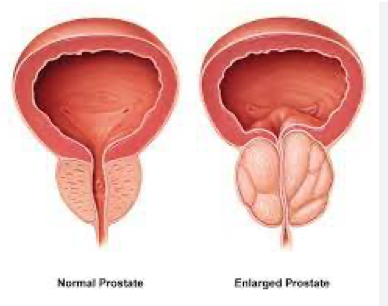

Enlarged Prostate (BPH)
Benign Prostatic Hyperplasia (BPH), commonly known as an enlarged prostate, is a non-cancerous enlargement of the prostate gland that commonly affects men over the age of 50. As the prostate enlarges, it can press against the urethra, causing urinary problems that affect daily life.
At Anjali UroCare, we provide comprehensive evaluation and advanced minimally invasive treatment options, including Laser Prostate Surgery and TURP, to relieve symptoms and improve quality of life.
Common Symptoms
- Frequent urination, especially at night
- Difficulty starting urination
- Weak urine stream
- Interrupted urine flow
- Feeling of incomplete bladder emptying
- Urgent need to urinate
- Urinary retention in severe cases
Causes of Enlarged Prostate (BPH)
- Age-related hormonal changes
- Natural enlargement of the prostate gland
- Family history
- Lifestyle factors
- Obesity
Risk Factors
- Age above 50 years
- Family history of BPH
- Diabetes
- Heart disease
- Obesity
- Lack of physical activity
Diagnosis
- Medical history and physical examination
- Digital Rectal Examination (DRE)
- PSA (Prostate Specific Antigen) test
- Urine examination
- Ultrasound of prostate
- Uroflowmetry
- Post Void Residual (PVR) urine test
- Cystoscopy (if required)
Treatment Options
Conservative Management
- Lifestyle modifications
- Fluid management
- Regular follow-up
Medical Treatment
- Alpha blockers
- 5-alpha reductase inhibitors
- Combination therapy
Surgical Treatment
- Laser Prostate Surgery (HoLEP / GreenLight Laser)
- TURP (Transurethral Resection of Prostate)
- TUIP
- Minimally invasive prostate procedures
Benefits of Treatment
- Improved urine flow
- Relief from urinary symptoms
- Better bladder emptying
- Improved quality of life
- Minimally invasive procedures
- Short hospital stay
- Quick recovery
Recovery & Aftercare
Most patients recover quickly after minimally invasive prostate surgery. Temporary urinary symptoms may occur during healing, but significant improvement is usually noticed within a few weeks. Following medical advice and regular follow-up ensures the best outcome.
Prevention
- Maintain a healthy weight
- Exercise regularly
- Limit caffeine and alcohol
- Avoid delaying urination
- Have regular urological check-ups after age 50
Possible Complications
- Acute urinary retention
- Bladder stones
- Recurrent urinary tract infections
- Bladder damage
- Kidney damage in severe untreated cases
When Should You Consult a Doctor?
- Difficulty passing urine
- Weak urine stream
- Frequent nighttime urination
- Blood in urine
- Unable to pass urine
- Recurrent urinary infections
You May Also Be Interested In
Explore other advanced urology treatments offered by our clinic.

Kidney Stone Treatment
Advanced diagnosis and minimally invasive treatment for kidney stones using Laser Lithotripsy, RIRS, PCNL and other modern techniques with faster recovery.
Read More
Female Urology
Comprehensive diagnosis and advanced treatment for female urinary disorders including urinary incontinence, recurrent urinary tract infections, overactive bladder, pelvic floor disorders and bladder dysfunction.
Read MoreNeed Expert Urology Care?
Schedule your appointment with Dr. Anjali Choudhary for personalized diagnosis and advanced treatment.
Book Appointment Contact Us