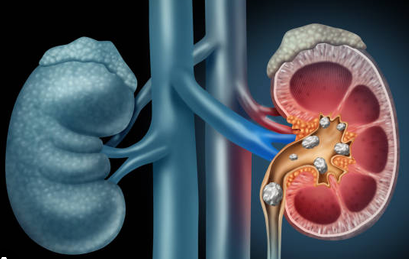

Kidney Stone Treatment
Kidney stones are hard deposits of minerals and salts that form inside the kidneys. They can cause severe pain, blood in urine, urinary infection and difficulty in passing urine. At Anjali UroCare, we provide advanced diagnosis and personalized treatment for kidney stones using the latest minimally invasive procedures.
Our goal is to remove stones completely while preserving kidney function and ensuring a quick recovery.
Common Symptoms
- Severe pain in the back or side
- Pain during urination
- Blood in urine
- Frequent urge to urinate
- Nausea and vomiting
- Fever with chills (if infection is present)
Causes of Kidney Stone Treatment
- Low water intake
- High salt diet
- High oxalate foods
- Family history
- Obesity
- Certain metabolic disorders
Risk Factors
- Clinical examination
- Urine analysis
- Blood tests
- Ultrasound
- X-Ray KUB
- CT Scan KUB
Diagnosis
- Clinical examination
- Urine analysis
- Blood tests
- Ultrasound
- X-Ray KUB
- CT Scan KUB
Treatment Options
Medical Management
- Pain relief medicines
- Increased fluid intake
- Medicines to help pass stones
Minimally Invasive Procedures
- Laser Lithotripsy
- RIRS (Retrograde Intrarenal Surgery)
- PCNL (Percutaneous Nephrolithotomy)
- URS (Ureteroscopy)
- DJ Stenting
Benefits of Treatment
- Minimally invasive surgery
- Less pain
- Minimal blood loss
- Faster recovery
- Short hospital stay
- High stone clearance rate
Recovery & Aftercare
Most patients recover within a few days after minimally invasive stone surgery. Drinking adequate water, following dietary advice and attending follow-up visits help reduce the chances of recurrence.
Prevention
- Drink 2.5–3 litres of water daily
- Reduce salt intake
- Maintain healthy body weight
- Limit excessive animal protein
- Follow doctor's dietary advice
Possible Complications
- Urinary tract infection
- Kidney damage if untreated
- Hydronephrosis
- Recurrent stone formation
When Should You Consult a Doctor?
- Severe flank pain
- Blood in urine
- Fever with chills
- Difficulty passing urine
- Persistent vomiting
Frequently Asked Questions
Find answers to common questions about Kidney Stone Treatment.
You May Also Be Interested In
Explore other advanced urology treatments offered by our clinic.

Enlarged Prostate (BPH)
Advanced diagnosis and minimally invasive treatment for Enlarged Prostate (Benign Prostatic Hyperplasia - BPH) using Laser Prostate Surgery, TURP and other modern procedures.
Read More
Female Urology
Comprehensive diagnosis and advanced treatment for female urinary disorders including urinary incontinence, recurrent urinary tract infections, overactive bladder, pelvic floor disorders and bladder dysfunction.
Read MoreNeed Expert Urology Care?
Schedule your appointment with Dr. Anjali Choudhary for personalized diagnosis and advanced treatment.
Book Appointment Contact Us